

+919071331036
contact@truvenenergy.com
Power the Future of Mobility. Right Where It Matters Most.
India’s shift to electric mobility is accelerating rapidly. EVs are no longer niche—they’re becoming mainstream across fleets, businesses, and residential communities, supported by strong policy momentum and growing adoption across all vehicle segments.
For industries, commercial spaces, and housing societies, the need for EV charging is no longer if, but when—and choosing the right partner is critical. Poorly designed infrastructure can lead to capacity constraints, safety risks, compliance issues, and a poor user experience that undermines the investment.
Getting it right from the start means selecting the right chargers, designing robust electrical systems, and ensuring scalable, compliant installation with smart energy management.
At Truven Energy, we deliver end-to-end EV charging solutions—covering site assessment, electrical planning, charger selection, installation, system integration, and compliance. With a single point of accountability, we ensure your charging infrastructure is reliable, future-ready, and built to deliver long-term value—while you stay focused on your core operations.
The EV Adoption Curve Is Accelerating
India’s EV market is growing at a pace that is reshaping every type of built environment. Fleets are electrifying, employees expect workplace charging, residential societies are seeing rising demand, and commercial spaces—from retail to healthcare—are treating EV charging as a standard amenity, not a bonus.
Early investment in EV charging infrastructure is a strategic advantage. As EV adoption rises, competition for EV-friendly destinations will intensify, and regulatory requirements will continue to tighten—making today’s infrastructure more valuable over time.
Regulatory and Policy Drivers
India’s policy landscape is increasingly mandating EV readiness:
Truven Energy ensures full compliance with all applicable standards, approvals, and grid requirements—so your installation is future-proof and fully aligned with regulations.
The Commercial and Competitive Opportunity
EV charging is quickly becoming a baseline expectation:
In short, EV charging is no longer just infrastructure—it’s a strategic asset.
Single-phase AC charging using standard domestic supply. Ideal for overnight charging where vehicles remain parked for long durations. It has the lowest infrastructure cost but also the slowest speed—adding roughly 15–20 km of range per hour—making it unsuitable for high-turnover commercial use.
Typical applications: Residential units with dedicated parking, or staff parking where vehicles stay for full-day or overnight periods.
Single- or three-phase AC charging at higher power levels. The most versatile and widely used option across commercial, industrial, and residential settings—offering a strong balance of speed, cost, and load management. Typically adds 40–120 km of range per hour, depending on charger capacity and the vehicle’s onboard charger.
Typical applications: Corporate workplace charging, commercial parking facilities, residential society charging bays, hotel and hospitality charging, retail destination charging, hospital staff and visitor parking.
Direct current (DC) fast charging bypasses the vehicle’s onboard charger, delivering power directly to the battery at very high rates. It can add roughly 100–500 km of range per hour, depending on charger capacity and vehicle type.
Typical applications: Fleet charging hubs where vehicles need rapid turnaround, public charging stations, highway or destination charging points, industrial fleet depots, bus and truck charging facilities.
The highest-power charging option available, capable of adding hundreds of kilometres of range in just 15–30 minutes for compatible vehicles. It requires significant electrical infrastructure and is best suited for high-utilisation public or fleet applications.
Typical applications: High-volume public charging hubs, expressway charging stations, bus rapid transit charging facilities, large-scale logistics fleet depots.
India’s industrial sector is rapidly electrifying its fleets—driven by rising diesel costs, stricter emissions norms, and improving EV economics. As facilities transition forklifts, logistics vehicles, and employee transport to electric, the need for reliable, well-designed charging infrastructure becomes critical.
Industrial EV charging is fundamentally different from typical applications. It involves large fleets charging simultaneously, high peak loads that can strain electrical systems, mixed vehicle types with varying requirements, 24/7 operations, and the need for integration with existing energy and fleet systems. Without proper design, this can disrupt core operations.
Truven Energy’s Industrial EV Charging Solution is engineered specifically for these complexities—ensuring reliable performance, controlled demand, and scalable infrastructure:
Electrical Infrastructure Assessment & Upgrades: We evaluate transformers, panels, and system capacity, and implement upgrades where needed to safely support current and future charging loads.
Smart Load Management: Dynamic power allocation prevents peak overloads, optimises Time-of-Day tariffs, and prioritises charging based on operational urgency.
Charger Selection & Layout Design: We match charger types and capacities to each vehicle’s needs and design layouts for safe operation, efficient movement, and future expansion.
Civil Works: Complete execution including ducting, foundations, shelters, signage, and safe access infrastructure.
Electrical Installation: End-to-end installation from main boards to chargers, fully compliant with Indian standards and DISCOM requirements.
Fleet Integration: Seamless integration with fleet management systems for real-time visibility of charging status, energy use, and vehicle readiness.
Access Control & Authentication: RFID-based systems ensure secure usage, accurate tracking, and streamlined cost allocation.
EV charging is rapidly becoming a standard expectation for commercial properties—driven by rising EV adoption, tenant demands, employee benefits, customer preferences, and evolving regulations.
Corporate Offices & IT Parks:
Workplace charging is one of the fastest-growing segments. Solutions range from small setups (10–20 chargers) to large campus-wide deployments (100+ chargers), featuring smart AC chargers, load management, secure access (RFID/app/QR), usage-based billing, and real-time monitoring.
Retail, Malls & Hospitality:
EV charging attracts high-value customers who stay longer and spend more. Installations combine AC and DC fast chargers, offer flexible payments (UPI/cards/apps), enable dynamic pricing, and integrate with signage and EV navigation apps to boost visibility and revenue.
Hospitals:
Charging systems are designed for reliability and ease of use, with dedicated setups for staff, visitors, and hospital vehicles—aligned with operational standards and access systems.
Educational Institutions:
Campuses are adopting EV charging for staff and students, often integrating solar-powered charging stations—supporting sustainability goals while providing practical and educational value.
Residential societies across India are experiencing a rapid rise in EV charging requests from residents, but most existing electrical systems were never designed to support multiple vehicles charging at the same time. Societies that take a proactive approach—by implementing a well-planned, fairly managed, and professionally installed common charging infrastructure—are seeing clear advantages in resident satisfaction, property value, and compliance with emerging regulations. In contrast, delaying action only compounds the problem, making future upgrades more expensive and disruptive as EV adoption continues to grow.
The challenge for residential societies is multi-layered. With several residents wanting dedicated charging points, uncoordinated installations can quickly strain the electrical load. Existing infrastructure—especially common area supply, distribution boards, and metering systems—was originally designed for basic loads like lighting and lifts, not EV charging. There is also a need to ensure fairness, so that only EV users pay for the electricity they consume, without cross-subsidisation by other residents. Safety is another critical factor, particularly in basement or enclosed parking areas where EV charging requires specific standards for ventilation, fire protection, and electrical systems. At the same time, societies must think ahead and design systems that can scale as more residents adopt EVs, avoiding the need for repeated overhauls.
Truven Energy addresses these challenges through a comprehensive and structured approach. The process begins with a detailed assessment of the society’s existing electrical infrastructure, including supply capacity, transformer load, distribution systems, and parking area wiring. Based on this, a complete EV charging master plan is developed, outlining charger placement, electrical requirements, load management strategy, billing systems, and provisions for future expansion—giving both the society committee and residents full visibility before implementation.
A dedicated EV charging distribution network is then installed, separate from the common area supply, ensuring that essential services like lighting and lifts remain unaffected while enabling accurate measurement of EV-related consumption. Each charging point is equipped with smart metering and secure access through RFID cards or mobile apps, allowing precise billing for individual users. To manage multiple vehicles charging simultaneously, a dynamic load management system intelligently distributes available power, preventing overloads and avoiding excess demand charges.
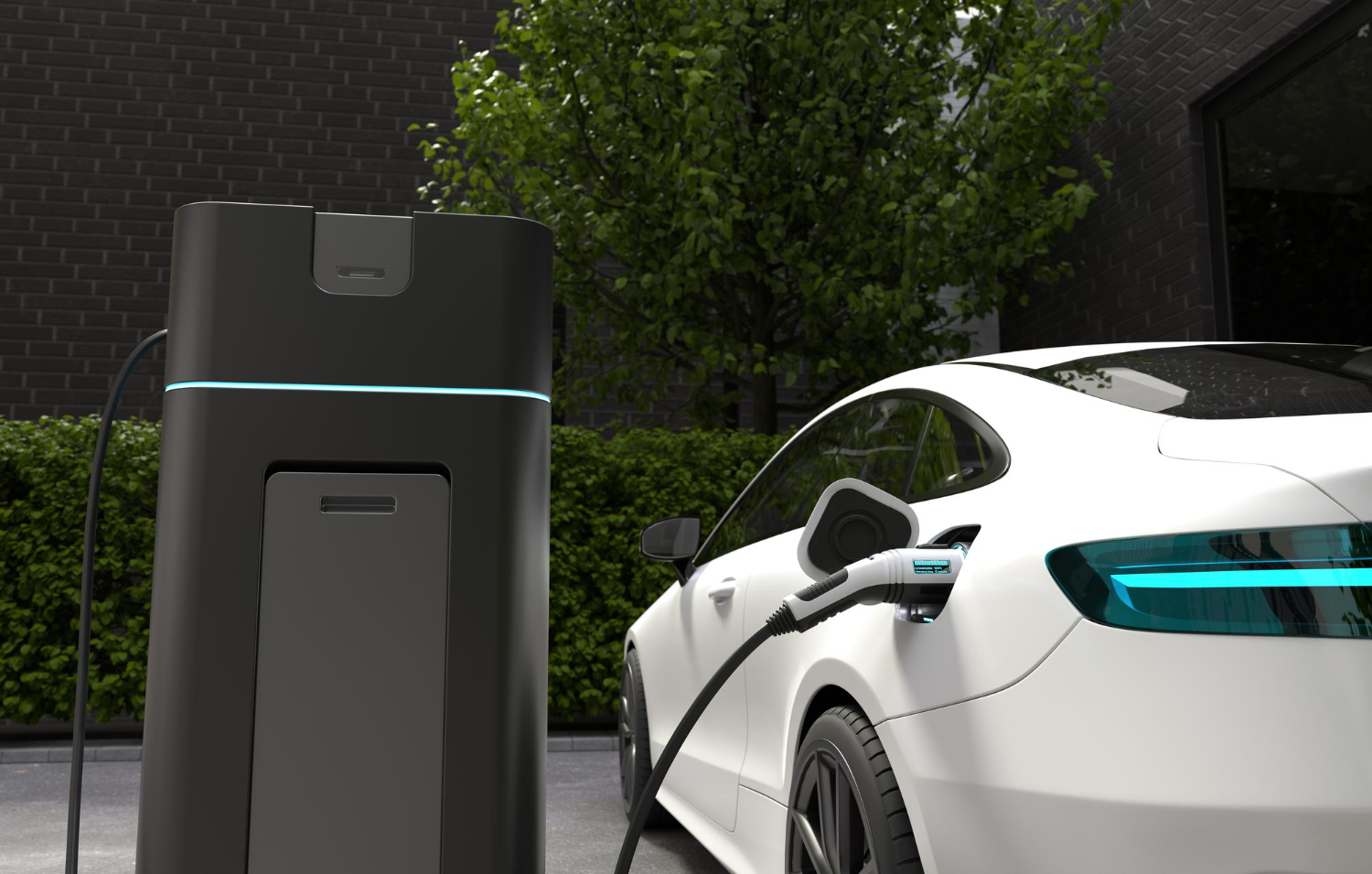
Truven Energy provides structured after-sales support to ensure your EV charging infrastructure operates reliably, safely, and at peak performance throughout its lifecycle.
Remote Monitoring: 24/7 monitoring of charger status, energy usage, faults, and connectivity—with proactive alerts before issues impact users.
Preventive Maintenance: Scheduled inspections covering chargers, electrical connections, earthing, cables, and civil infrastructure, along with software and firmware updates.
Corrective Maintenance: Fast response to faults with skilled technicians, available spares, and clear escalation protocols to minimise downtime.
Performance Reporting: Regular reports on utilisation, energy dispensed, sessions, peak demand, and system uptime—providing complete operational visibility.
Engineering-Led, Not Product-Led: Every project starts with a rigorous assessment of your needs—not a product push. Solutions are tailored to your facility, users, and electrical infrastructure.
Technology-Agnostic Selection: We independently evaluate chargers from leading manufacturers, giving you transparent comparisons and unbiased recommendations.
Complete Transparency: All technical decisions, costs, and procurement choices are clearly documented—no hidden margins or surprises.
Safety and Quality First: Installations meet the highest electrical safety standards, fully compliant with Indian and international norms and DISCOM requirements.
End-to-End Delivery: From assessment to commissioning and support, we manage the entire project under one contract—so you don’t have to.
Long-Term Support: We provide ongoing maintenance and support to ensure reliable, safe, and high-availability performance over time.
Integrity in Every Step: We operate with complete honesty and professionalism—delivering exactly what we commit, every time.
Complete ownership and control: You own the infrastructure and decide everything—pricing, access, billing, maintenance, and expansion—with no third-party constraints.
Revenue generation potential: Charging fees can cover costs, deliver returns, and evolve into a strong ancillary revenue stream as EV adoption grows.
Maximum long-term value: Benefits accrue entirely to you—cost savings, charging revenue, higher property value, tenant attraction, and compliance advantages.
Accelerated depreciation: Eligible tax depreciation reduces the effective cost of investment.
Scalability on your terms: Expand capacity when and how you choose, without relying on external operators.
Brand and sustainability impact: Demonstrates a clear commitment to clean mobility for stakeholders.
No tariff escalation risk: Your investment is fixed, while rising electricity tariffs and utilisation improve long-term returns.
The CAPEX model is the most suitable structure across all three segments Truven Energy serves:
For industrial facilities, where EV charging supports fleet operations, CAPEX ensures full control over charging infrastructure and maximises savings from reduced operating costs.
For commercial properties, where EV charging enhances tenant appeal and can generate revenue, CAPEX allows the owner to capture the full strategic and financial value.
For residential societies, where charging is shared infrastructure, CAPEX enables collective ownership, transparent cost management, and fair billing—typically funded through a one-time contribution or sinking fund.
In CAPEX EV charging projects, long-term reliability, safety, and performance depend entirely on the quality of engineering and execution. That’s why we apply uncompromising standards across design, equipment selection, installation, and compliance—ensuring infrastructure that performs reliably for 10–15 years or more.
We don’t compromise on charger quality, cut corners in execution, or treat compliance as an afterthought. Every system is delivered to the right specifications, with the right materials and workmanship—built for safety, durability, and consistent long-term performance.
Whether you are an industrial facility planning fleet electrification, a commercial property seeking to attract EV-driving tenants and customers, or a residential society facing growing EV charging requests from residents — Truven Energy is ready to help you get your EV charging infrastructure right from day one.